


Let's bring male fertility into focus
Male infertility isn't a reflection of your masculinity, your strength or how healthy you look and it's nothing to be ashamed of. It is a medical issue and like any health condition, it has causes that can be investigated and, in many cases, treated or worked around. You are not alone, support is available.

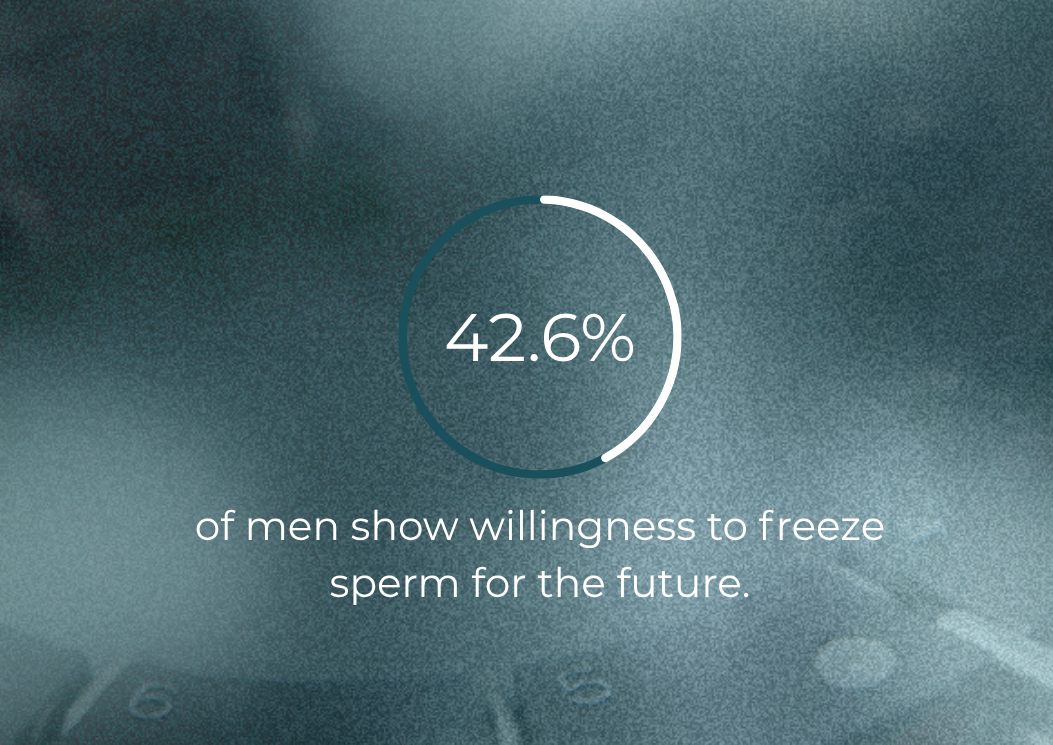
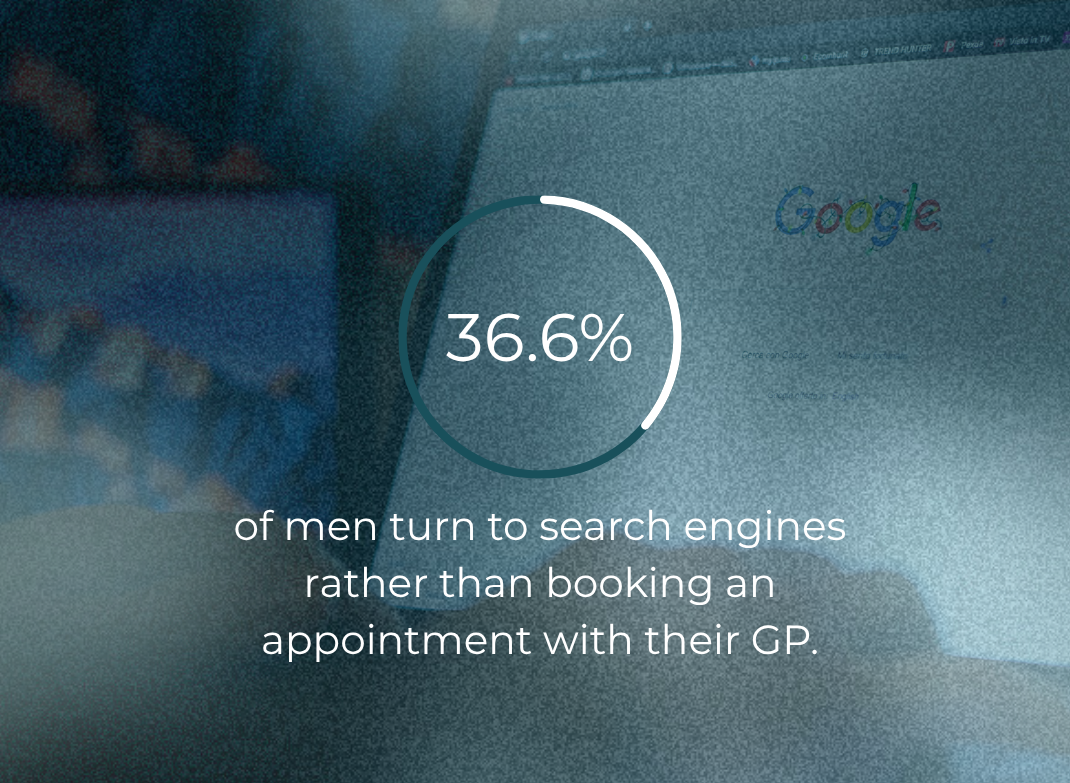
We conducted our own research with OnePoll, in partnership with male fertility diagnostic specialist Examen, surveying a nationally representative sample of 2,000 UK men aged 18 to 40 between 2nd and 8th October 2026. The data was weighted by age, region and relationship status to reflect national census profiles.
Infertility is not just a women's health issue
When a couple has trouble conceiving, it’s easy to assume the reason lies with the woman. In reality, infertility is a shared concern.
That’s why assessing both partners together is such an important first step. A few straightforward tests can often point towards the cause sooner, which means less waiting and fewer unanswered questions for both of you.
At CRGH, our specialists can help you understand your fertility, arrange the right tests and talk through your options, at a pace that feels comfortable for you.
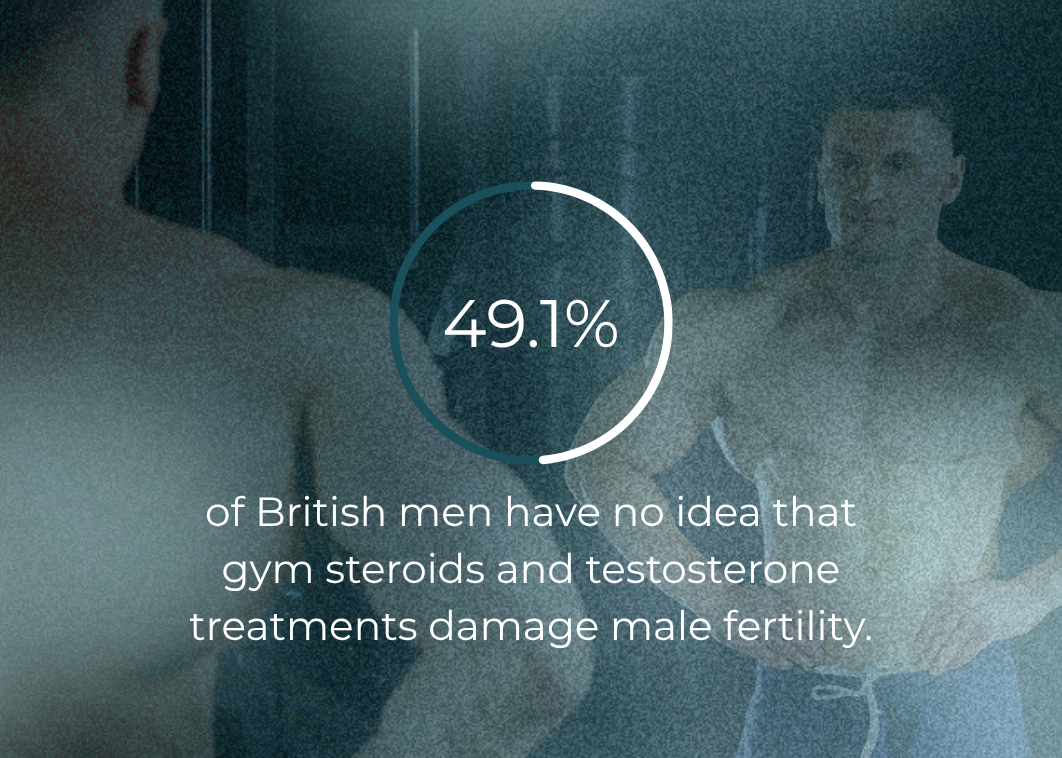
How common is male infertility?
More common than most people think.
Around half of couples who struggle to conceive have a male factor involved, either on its own or alongside a female factor.
It’s a common misconception that male infertility is rare, or that it only affects men with obvious health problems. In fact, a man can look and feel perfectly healthy, with no symptoms at all and still have a low sperm count or poor sperm quality. There is often nothing to notice. The only reliable way to find out it a semen analysis.
If that sounds familiar, you are not alone and support is available.
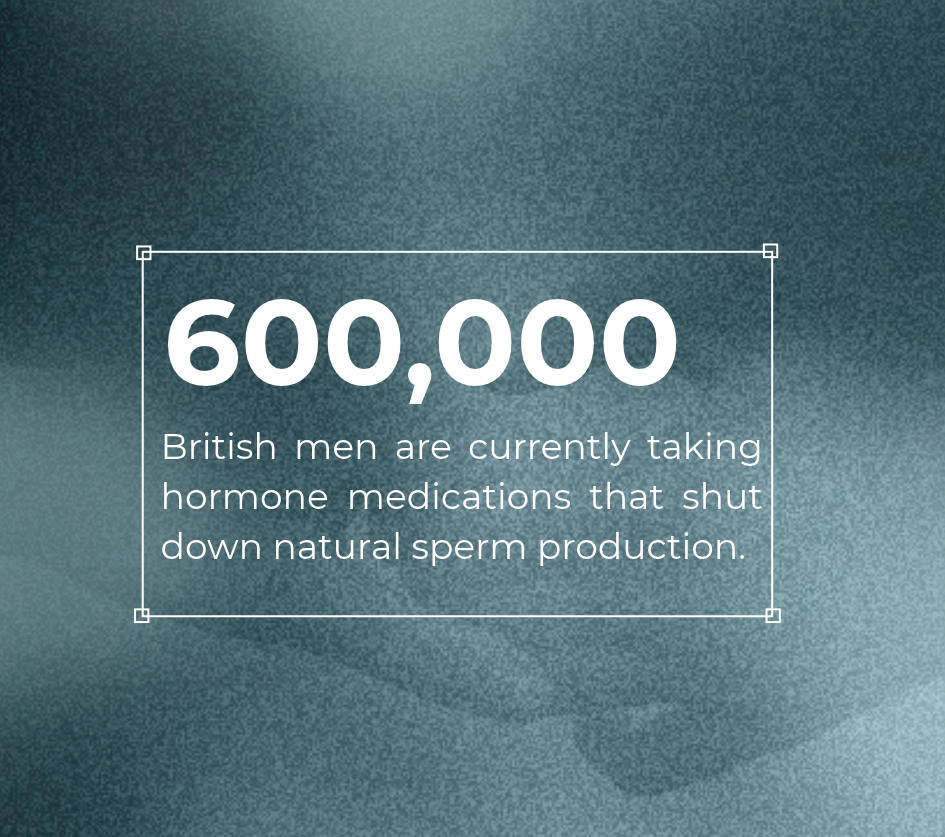
Ed Jackson’s male infertility journey
“I didn’t realise what a big impact the way I was living my life was having on my sperm, something I definitely learned from going through treatment.” – Ed Jackson, patient
Lifestyle can play a role in sperm health, but every fertility journey is different.
Read Ed’s story to learn more about his experience with male infertility and what he learned along the way.

“Like most men, I thought I was invincible. I worked out regularly, but I also had a bad diet and drank at the weekends. I didn’t even know male infertility was a thing until it happened to me. A phrase I heard from the lads at the gym was about men ‘firing blanks.’ When I realised what was happening to me, I felt completely alone and disappointed in myself.” – Brett Cole, patient.
Male infertility be difficult to talk about and many men feel alone when facing it.
Read Brett’s full story to learn more about his journey.
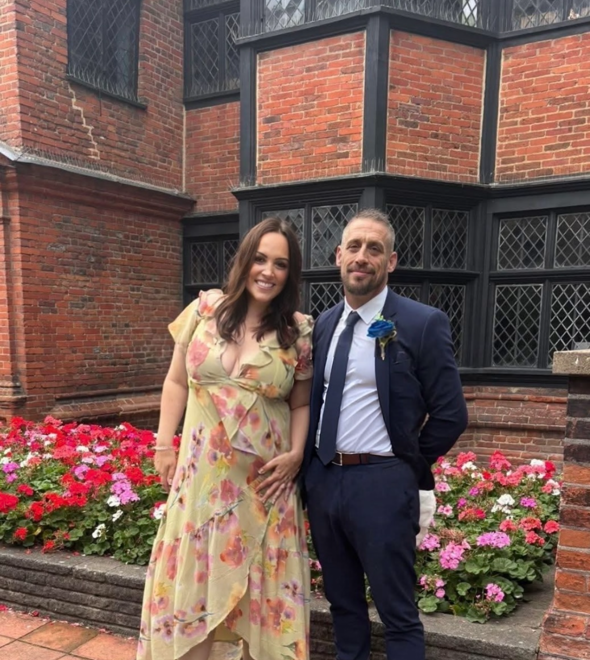
Types of male infertility
Male infertility isn’t one condition. It usually shows up as a problem with the number, movement or shape of the sperm, or with getting sperm to where it needs to be. Your fertility consultant will explain which applies to you.
- Oligozoospermia: Low sperm count.
- Asthenozoospermia: Poor sperm movement
- Teratozoospermia: Abnormal sperm shape
- Azoospermia: No sperm in the semen.
- Problems with ejaculation or erections
Some men have a normal semen analysis and a couple still can’t conceive.
In that case, further investigations may help find a reason.
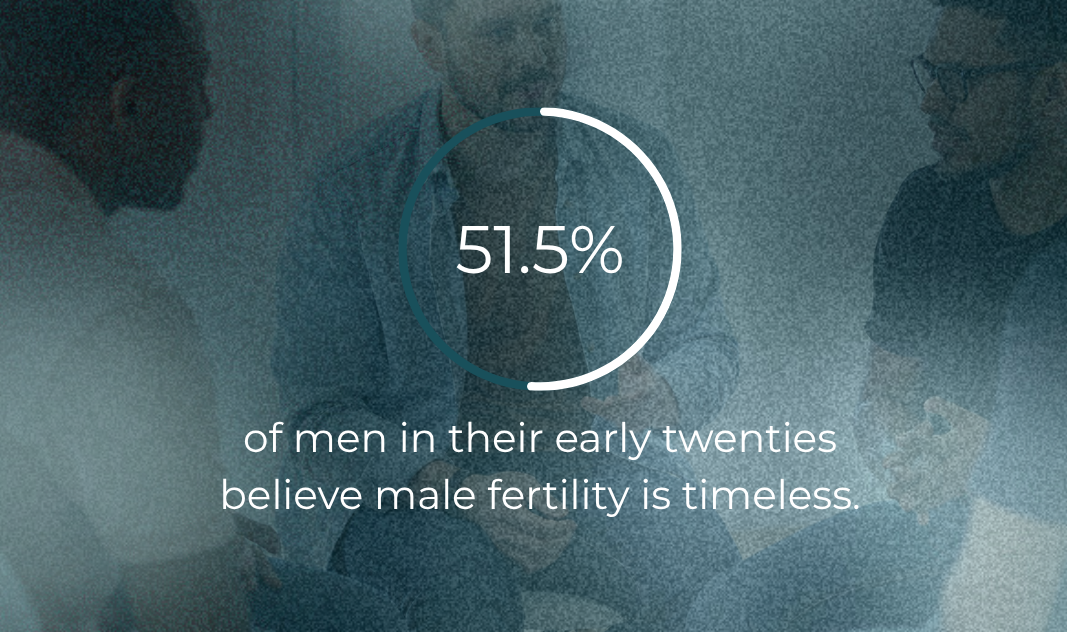
Causes of male infertility
- Lifestyle factors and age
- Testicular problems, such as a varicocele, undescended testicles, injury or infection
- Hormonal imbalance
- Genetic conditions
- Blockages
- Medical treatments and medications
- Sometimes no cause is found, which doesn’t mean nothing can be done
If any of this sounds familiar, it isn’t something you did wrong. Many of these causes are outside your control, and understanding them is the first step towards a plan.
How male infertility is diagnosed
Diagnosis starts with a conversation, followed by tests tailored to you.
These can include:
- Semen analysis
- Hormone tests
- Genetic testing
- Sperm DNA fragmentation
Read more about male fertility assessment here.
The simplest first step is a consultation with one of our experienced fertility consultants.

Things you can do to help
Sperm are produced continuously over a cycle of around 3 months, so changes you make now can take about that long to show up in a semen analysis. Here are some practical things that may help, alongside proper tests and medical advice.
- Stop smoking and avoid recreational drugs
- Limit alcohol and get medical advice on fertility before using anabolic steroids or testosterone treatment.
- Eat a balanced , Mediterranean-style diet with plenty of fruits, vegetables, oily fish, nuts and seeds.
- Exercise regularly but avoid extremes such as very intense endurance training.
- Go easy on saunas and hot tubs and avoid tight activewear that traps heat.
- Prioritise sleep, and seek support if stress is affecting you. Our fertility counsellors can help.
Not sure where to start? A semen analysis can show whether any of these may be affecting you.
Treatment options
The right treatment depends on what the tests show, your partner's fertility and your wider circumstances. Your fertility consultant will talk you through the options and the likely chances of success.

Examen
Examen’s core commitment is to help people become parents by providing accurate, reliable, and advanced diagnostic tests to support their fertility journey.
It is a world leader in male fertility testing, specialising in measuring Sperm DNA Fragmentation (SDF) damage to provide crucial insights into the likelihood of conception, miscarriage, and the success of fertility treatments.
It delivers all fertility testing from our laboratory in Belfast under the highest international standards, ensuring integrity and accuracy for both patients and clinicians.
It holds dual ISO certification:
- ISO 13485 for Test Design & Development
- ISO 15189 for Laboratory Service Delivery
Its tests are also registered with the Medicines and Healthcare Products Regulatory Agency (MHRA).

Ready to speak to someone?
You don’t need to have all the answers before you get in touch. You don’t need a diagnosis, a long medical history or a plan. Many men start with nothing more than a question or a worry.
If you’re concerned about your fertility, or you and your partner have been finding it hard to conceive, we’d encourage you to talk to a fertility consultant. The sooner you understand what’s going on, the sooner you can make decisions with confidence.
You don’t need GP referrals.
Whether you’re looking for a male fertility assessment, advice on a specific concern or just want to talk through your options, our team is here to help.
